
New Asphalt Driveway Installation
Full build from excavation through to the wearing course, graded to shed water.
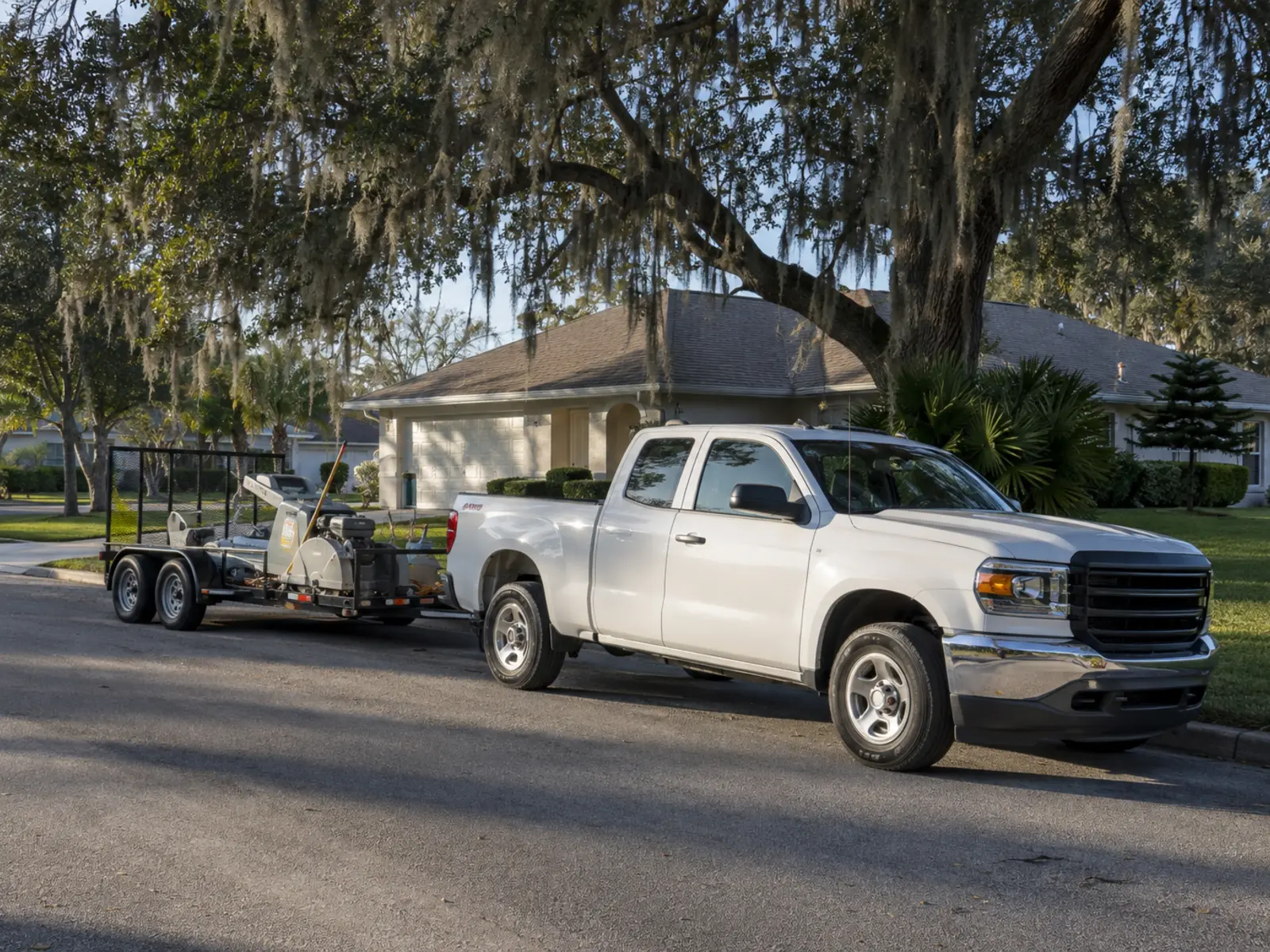
Lakeland Concrete Driveway Experts install and replace hot-mix asphalt driveways for homeowners, landlords and commercial owners across Lakeland and Polk County. We have earned our reputation by delivering on every job we take on, using the right surface for the application rather than the one we would prefer to sell, building to meet or exceed Florida Building Code and local requirements, and specifying around your site rather than a template.
Asphalt is the practical answer where distance makes a concrete pour hard to justify: long private access roads, acreage approaches and agricultural properties out toward Kathleen, Polk City and Plant City. It flexes with ground movement rather than cracking, goes down quickly and takes traffic within a day or two. The trade-off is honest and worth knowing up front, because Florida heat and rainfall are harder on asphalt than on concrete, and the sealcoat cycle is not optional here. Below covers where asphalt is the right call, how the base is built, the sealcoat schedule and how it compares against a poured slab.
Asphalt suits some sites far better than others, and most of what we lay is where run length or ground movement makes a rigid slab the wrong choice. New installation, full replacement, overlays onto sound existing asphalt and repairs to failed edges and potholes all sit within this.
Full build from excavation through to the wearing course, graded to shed water.
Old surface milled or broken out, base rock re-stabilised, then new binder and wearing courses.
A fresh wearing course bonded over sound existing asphalt, where the base beneath is still good.
Extended private approaches where a concrete pour is hard to justify over the distance.
Squared out to sound material, tack coated and filled with hot-mix rather than cold patch.
Protective coats on a two year cycle, which is what actually decides asphalt lifespan here.
Asphalt is a flexible pavement, which means it transfers load to the ground rather than spanning over it the way a reinforced slab does. That makes the base the whole job: a thin surface over a poorly compacted base will rut and crumble no matter how good the mix was.
Cut to firm bearing material with topsoil and organics removed entirely.
6 in of crushed base placed in lifts and compacted, deeper under heavy traffic.
Bituminous prime sealing the base surface and bonding it to the asphalt above.
2 to 3 in of coarse hot-mix carrying the structural load of the pavement.
1.5 to 2 in of finer dense-graded mix providing the running surface.
Vibratory passes while the mix is still hot, which is what develops density.
Asphalt behaves differently in Central Florida than in the northern markets most product literature is written for. There is no freeze-thaw here, but there is relentless UV, sustained surface heat and torrential seasonal rainfall, and each attacks the pavement differently.
Sun breaks down the binder, greying the surface and making it brittle. Sealcoat slows it.
Surface temperatures well above ambient let heavy vehicles and trailer jacks leave impressions.
Unsupported shoulders crumble first, particularly where runoff concentrates alongside.
Once cracks open, water reaches the base and washes fines out from beneath the pavement.
Live oak roots flex asphalt into raised ridges rather than cracking it into panels.
Petroleum dissolves the binder directly, so drips need cleaning rather than leaving.
Both have legitimate uses and we install both. This is where each lands on Central Florida ground, judged over the whole service life rather than on the day the job finishes.
| Hot-mix asphalt | Poured 4,000 PSI concrete | |
|---|---|---|
| Up-front cost | Lower | Higher |
| Service life | 12 to 18 years, sealed on schedule | 30+ years |
| Maintenance | Sealcoat every 2 years | Occasional washing, joint sealing |
| Summer heat | Softens, heavy loads can indent | Reflects, stays rigid |
| Ground movement | Flexes with it | Needs steel to span it |
| Repair visibility | Blends well | Patches show |
| Best suited to | Long runs and acreage access | Residential frontages and heavy loads |
The build standard behind every asphalt driveway we lay. The figures that decide service life are base depth, compaction and the sealcoat interval, and none of them are visible once the surface is down.
Two to three days on site for a standard residential drive, and considerably faster back into service than concrete. The sequence does not change; what changes is how much base work the ground demands once it is open.
Fall shot across the site and the discharge point established before anything is priced.
Cut to firm material, with topsoil, organics and any soft pocket removed.
Crushed base rock placed in lifts and compacted, graded to hold the finished fall.
Bituminous prime applied to seal the base and bond it to the asphalt above.
Hot-mix laid and rolled while hot, in two courses for a full-depth build.
Shoulders compacted or ribbon-curbed, then traffic after 24 to 48 hours.
Straight numbers on price, lifespan and upkeep before you choose between surfaces.
Asphalt costs meaningfully less than concrete up front, which is exactly why it wins on long runs where the area is large enough for that gap to matter. Over the full service life the picture narrows: twelve to eighteen years against thirty-plus, plus a sealcoat every two years. On a short suburban frontage concrete is usually the better value; on a three-hundred-foot rural approach the up-front figure can decide it outright, and we will give you both numbers rather than steering you.
Straight answers, including the ones that talk you out of spending money.
Twelve to eighteen years when the base was compacted properly and the sealcoat cycle is kept. UV oxidation is the main enemy here rather than freeze-thaw, and a driveway left unsealed for a decade will grey, become brittle and start ravelling at the edges well before that.
Twenty-four to forty-eight hours for cars, which is considerably faster than the seven days a concrete slab needs. Avoid parking in the same spot with the wheels turned during the first few weeks, and keep trailer jacks and motorhome stabilisers on load-spreading pads through the first summer.
Six to twelve months after installation, not immediately. Fresh asphalt needs time for the volatile oils to cure out; sealing too early traps them and produces a soft surface. After that first coat, every two years is the realistic interval in this sun.
An overlay works where the existing pavement is structurally sound and the base beneath it has not failed. Where there is rutting, alligator cracking or edge failure the base has gone, and an overlay simply reflects all of it through within a season or two. We assess before quoting.
It depends on run length, loads and how you feel about maintenance. Asphalt wins on up-front cost over distance and flexes with ground movement. Concrete wins on service life, summer heat and low upkeep. We install both and will tell you which one your site actually calls for.
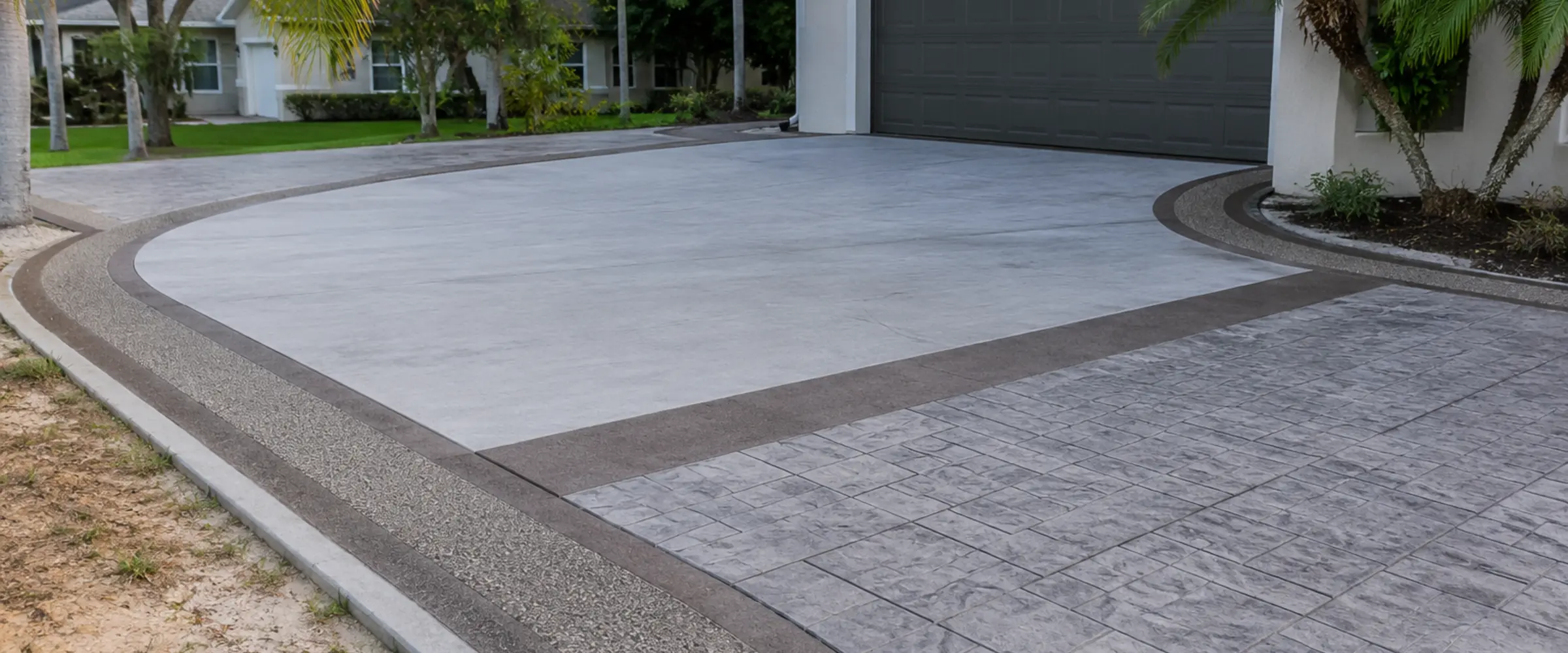
We will shoot the levels, price the base work separately, and give you an honest comparison against a concrete slab for the same area.
863-734-6623